
Is My Child Ready for Kindergarten? Occupational Therapy Skills That Support School Readiness
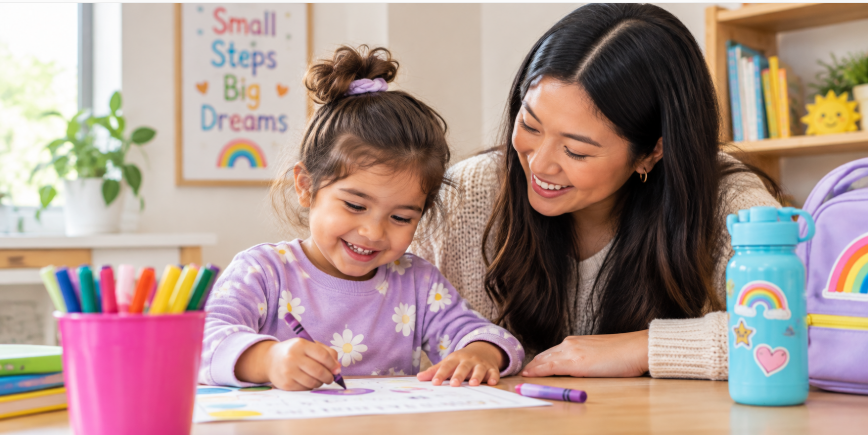
Starting kindergarten is an exciting milestone for children and their families. It introduces children to new routines, learning environments, friendships, and opportunities to develop independence. While parents often focus on academic skills such as recognizing letters, counting, and learning colours, school readiness involves much more than knowing the alphabet.
Children also use a variety of physical, social, and everyday living skills to participate in the classroom. These include holding a pencil, managing clothing, using classroom materials, following routines, and participating in activities with other children.
Every child develops at their own pace, and there is no single checklist that determines whether a child is ready for kindergarten. However, understanding the skills that support school participation can help parents recognize areas where their child may benefit from additional practice or support.
What Does School Readiness Really Mean?
School readiness refers to the collection of developmental skills that help children participate in a classroom environment. These skills include physical development, communication, social interaction, emotional regulation, early learning, and independence.
For example, children may need to open their lunch containers, use classroom supplies, transition between activities, and participate in group routines.
Being ready for kindergarten does not mean a child must master every skill before their first day. Rather, it means having opportunities to develop the abilities that support learning, participation, and growing independence.
What Skills Does My Child Need Before Starting Kindergarten?
There are several developmental areas that contribute to school readiness. Children may demonstrate different strengths across these areas, and some skills will continue developing throughout their kindergarten experience.
1. Fine Motor Skills
Fine motor skills involve the smaller muscles of the hands and fingers. Children use these skills for many classroom activities, including:
Holding and controlling crayons, pencils, and markers.
Cutting with child-safe scissors.
Drawing shapes and beginning to write letters.
Picking up small objects and manipulating classroom materials.
Opening containers, using utensils, and managing small fasteners.
Fine motor development supports children's ability to participate in creative activities, early writing experiences, and everyday classroom tasks.
2. Gross Motor Skills
Gross motor skills involve larger muscle groups and whole-body movements. These skills support movement, balance, coordination, and participation in physical activities.
Examples include:
Running, jumping, hopping, and climbing.
Maintaining balance during movement and play.
Navigating playground equipment safely.
Participating in movement games and group activities.
Developing core strength and body coordination.
These abilities help children explore their surroundings, participate in outdoor play, and move comfortably throughout the school environment.
3. Self-Care and Independence
Kindergarten introduces opportunities for children to manage more everyday tasks independently. Developing self-care skills can help children feel more confident and comfortable throughout the school day.
Examples include:
Putting on and taking off coats and shoes.
Managing zippers, buttons, and other clothing fasteners.
Washing and drying hands.
Using the washroom with age-appropriate independence.
Opening lunch containers and managing food packaging.
Using utensils during mealtimes.
Children may still need reminders or occasional assistance with these activities. The goal is to gradually build confidence and independence rather than expecting perfection.
4. Attention and Following Routines
Classroom environments involve a variety of activities, transitions, and instructions. Children gradually develop the ability to participate in these routines.
Helpful skills may include:
Listening to and following simple instructions.
Participating in short group activities.
Transitioning between activities with support.
Staying engaged in age-appropriate tasks.
Understanding familiar classroom expectations.
Attention and participation can vary depending on the activity, environment, and individual developmental needs.
5. Emotional Regulation and Social Participation
Kindergarten provides many opportunities for children to interact with peers, navigate unfamiliar situations, and develop relationships.
Skills that support social and emotional participation include:
Communicating basic needs and feelings.
Taking turns and sharing materials with support.
Participating in cooperative play.
Managing frustration and disappointment.
Asking for help when needed.
Adjusting to changes in activities and routines.
Children are still learning these skills when they enter kindergarten. Supportive environments and consistent guidance can help them develop confidence over time.
How Can I Tell If My Child May Need Additional Support?
Children develop at different rates, so differences in school readiness do not necessarily indicate a developmental concern.
However, parents may notice that certain everyday activities are consistently challenging for their child.
For example, a child may:
Have difficulty holding crayons or using scissors.
Struggle with buttons, zippers, or putting on shoes.
Find activities involving balance and coordination challenging.
Become frustrated when completing fine motor tasks.
Have difficulty participating in everyday routines.
Need additional support when transitioning between activities.
Avoid certain play activities because they find the physical demands challenging.
These observations do not automatically indicate that a child needs therapy. However, if difficulties consistently affect participation, independence, or confidence, discussing them with a healthcare professional or pediatric occupational therapist may be helpful.
How Can Parents Help Prepare Their Child for Kindergarten at Home?
Many of the skills that support school readiness can be encouraged through everyday activities. Children learn through exploration, repetition, and opportunities to practise new abilities in familiar environments.
Here are some activities parents can incorporate into their routines:
Practise Fine Motor Activities: Encourage colouring, drawing, playdough, building with blocks, puzzles, and age-appropriate cutting activities. These provide opportunities to develop hand strength, coordination, and control.
Encourage Dressing Independence: Allow your child to practise putting on shoes, pulling up zippers, and managing simple clothing fasteners. Giving them extra time to complete these tasks can encourage independence.
Incorporate Everyday Responsibilities: Invite your child to help pack their lunch, put away toys, carry lightweight items, or organize their belongings. These activities encourage coordination and participation in daily routines.
Play Movement-Based Games: Activities such as obstacle courses, hopping, dancing, ball games, and playground play provide opportunities to practise balance, coordination, and body awareness.
Establish Familiar Routines: Practise everyday routines such as getting dressed, washing hands, packing a bag, and cleaning up after activities. Predictable routines can help children become more comfortable with expectations.
Encourage Social Play: Board games, pretend play, building activities, and turn-taking games provide opportunities to practise communication, cooperation, and problem-solving.
The goal is not to turn everyday activities into formal lessons. Instead, providing enjoyable opportunities to practise these skills can help children build confidence before starting school.
How Can Occupational Therapy Support School Readiness?
Pediatric occupational therapists help children develop the skills needed to participate in everyday activities at home, school, and in the community.
When school readiness is a concern, an occupational therapist can explore a child's individual strengths and areas where additional support may be beneficial.
Depending on the child's needs, occupational therapy may focus on:
Fine Motor Development: Supporting hand strength, coordination, pencil control, scissor use, and other skills involved in classroom activities.
Gross Motor Development: Working on balance, coordination, body awareness, and movement skills that support playground participation and physical activities.
Self-Care Skills: Helping children develop greater independence with dressing, eating, personal hygiene, and other daily routines.
Sensory and Environmental Support: Exploring how a child's sensory experiences may affect participation in classroom activities and identifying appropriate environmental adjustments.
Attention and Participation: Developing practical strategies that help children engage in activities, manage transitions, and participate in familiar routines.
Social and Play Skills: Using meaningful play activities to encourage cooperation, problem-solving, and participation with others.
Occupational therapy is individualized, meaning strategies and activities are selected based on the child's developmental needs, strengths, and goals.
Does My Child Need to Master These Skills Before Kindergarten?
No. Children do not need to master every school readiness skill before entering kindergarten.
Kindergarten itself provides many opportunities for children to develop independence, build relationships, practise new abilities, and become more comfortable with classroom routines.
Some children may need additional reminders, accommodations, or assistance with particular activities, and this is a normal part of learning and development.
Rather than comparing your child's progress with that of other children, it can be more helpful to consider their individual abilities and identify ways to support their continued development.
If you have concerns about your child's ability to participate in everyday activities, seeking guidance early can help you understand their needs and explore appropriate support.
How Speech Ally Can Help
At Speech Ally, our pediatric occupational therapy services focus on helping children develop the skills they need to participate more confidently and independently in everyday life.
Our occupational therapists work with children through individualized, engaging, and play-based activities that support fine motor development, gross motor coordination, sensory processing, self-care, and other functional skills.
We recognize that every child develops differently. Our approach considers each child's unique strengths, developmental needs, and family priorities while exploring practical strategies that can be incorporated into everyday routines.
Whether your child is preparing to start kindergarten or already navigating the school environment, occupational therapy can help identify opportunities to build skills and support meaningful participation.
If you have questions about your child's school readiness or would like to learn more about pediatric occupational therapy, Speech Ally is here to help.
Written by Serina Bhurani | Speech Ally


Comments